


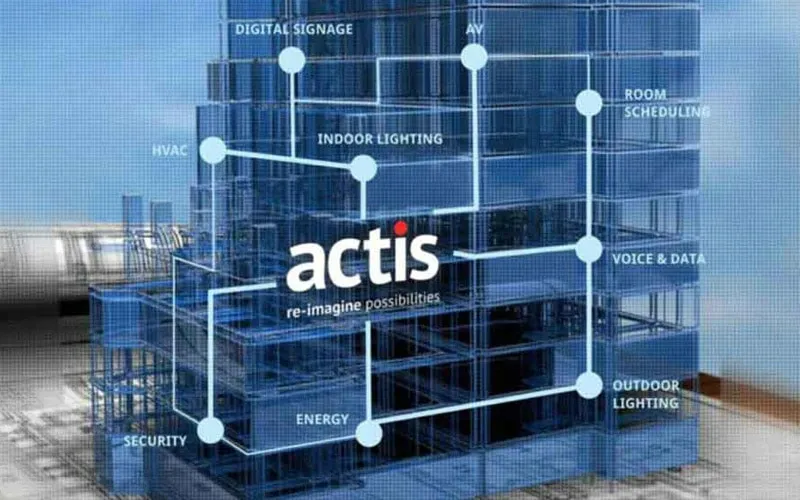


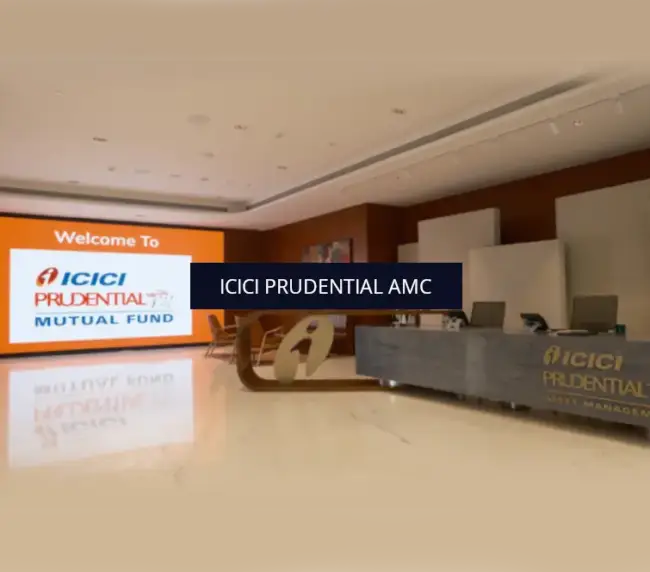
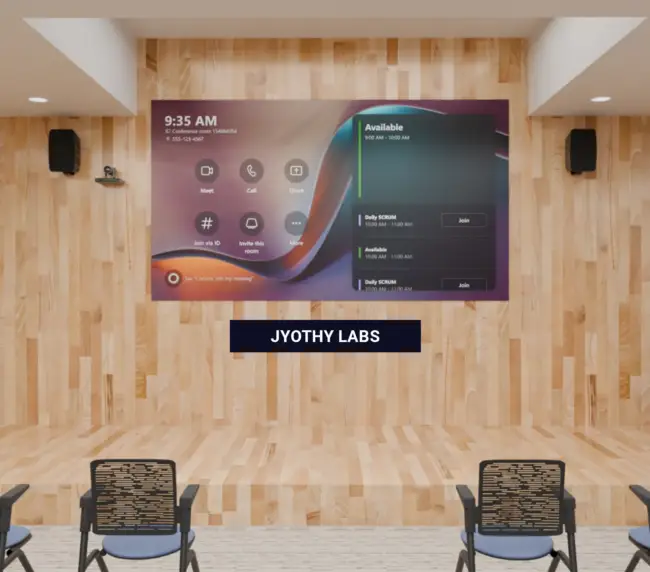
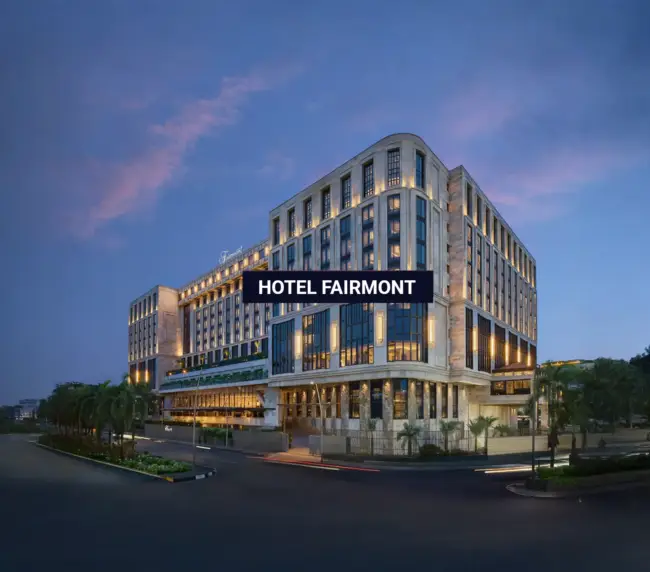





Audio Visual Systems Integration
250,000+
rooms built across India
50+
Years
11
Cities
60+
Locations
Take just 2 minutes to complete this form
What brings you here today?
What kind of organisation are you from?
Which solution are you looking for?
Select all that apply
How many spaces or rooms are involved?
What is your approximate budget?
Optional — helps us recommend the right solution
When do you need this implemented?
Which city is the project in?
Select all that apply
or select specific cities
Actis offices
Other cities
Almost done. Your details.
Please enter a valid email address.
Something went wrong. Please try again or call us on +91 22 3080 8000.
Product enquiry — Step 1 of 4
What are you looking for?
Product enquiry — Step 2 of 4
What is your approximate budget?
Optional — helps us recommend the right option
Product enquiry — Step 3 of 4
When do you need this?
Product enquiry — Step 4 of 4
Almost done. Your details.
Please enter a valid email address.
Something went wrong. Please try again or call us on +91 22 3080 8000.
Service contract — Step 1 of 4
Already an Actis customer and need to log a service request? Click here
What equipment needs to be covered?
Service contract — Step 2 of 4
Who installed or currently services this equipment?
Service contract — Step 3 of 4
How many locations or rooms need to be covered?
Service contract — Step 4 of 4
When do you need cover to start?
Service contract — Almost done
Your details.
Please enter a valid email address.
Something went wrong. Please try again or call us on +91 22 3080 8000.
Thank you, there.
Our team will be in touch within one working day.
Explore our case studies while you wait, or call us on +91 22 3080 8000
