


Can conferences be complete without audio? Certainly not. Enterprises often underestimate the power of audio solutions in meeting rooms in an effort to save costs. Companies are investing in their meeting room AV solutions as meeting scenarios themselves are evolving. This presents huge opportunities to create new AV solutions for meeting rooms. While many companies focus mostly on video solutions, audio is often allotted a small slice of both the focus and the capital spent. Businesses often make the mistake of prioritizing video over audio when planning meeting rooms. Audio technology in many meeting rooms is often an afterthought. Quite often, audio dropouts, poor clarity, and intermittent snags bring meetings to a stalemate.
In reality, audio ought to be the core of multi-party conferencing scenarios as its still allows meetings to move forward without video and document sharing. There are a lot of complexities and design considerations to keep in mind when integrating audio and sound reinforcement in meeting and conferencing rooms. Poor audio can significantly hamper the productivity of meetings.
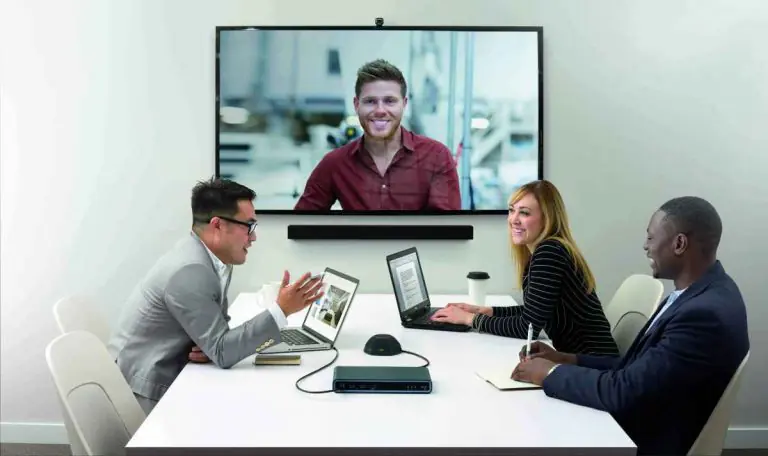
Meeting are becoming more and more frequent. Gone are the days when conferencing was reserved only for senior executives. Almost every employee in the modern enterprise use meeting room av solutions. The rise of huddle rooms in office spaces is a testament to that. As meeting spaces are getting multi-functional, the audio systems need to be at par with this need. After all, the point of any technology is to make complex tasks easy and not the other way round. Prioritizing meeting room audio isn’t as difficult as most businesses seem to make it. AV integrators can help enterprises understand the value of quality, flexible audio for meeting rooms and educate them on their product options.
In the video linked below, Mr. Zach Snook, Product Manager at Biamp Systems highlights common pitfalls encountered while designing and integrating audio solutions for conference-based meeting rooms. He also discusses that group meetings are changing, more frequent, and require more flexibility in terms of audio solutions. Some meeting rooms, such as multi-purpose spaces, might require a presentation to take place one day before completely restructuring for a workgroup meeting the next.
The discussion then delves into the various products from Biamp such as beam-tracking microphones for Tesira and Devio systems and a range of DSP-based solutions for the modern enterprise meeting room. Watch the video to understand the challenges around meeting room audio and Biamp’s class-leading and easy-to-use solutions for planning meeting rooms.
Do you have any useful tips, tricks, ideas, or suggestions to improve audio conferencing sessions? Use the comment section to share your thoughts.
(Content and Image courtesy: www.biamp.com)
FAQ’s
They often prioritise video over audio, underestimating how essential good sound quality is for effective meetings.
Many organisations focus their budget on cameras and displays, sidelining microphones and speakers, which can lead to poor clarity or dropouts.
Issues like intermittent audio, unclear speech, and dropouts can derail meetings—even if the video is working perfectly.
Rooms should support changing use cases—like switching between presentations and group discussions—using flexible audio systems like beam-tracking microphones and DSP-based solutions.
They suggest using beam-tracking microphones (for Tesira and Devio systems) and DSP-driven audio processing to deliver better coverage, clarity, and adaptability in meeting rooms.
Improve audio quality by using proper microphones and speaker placement, reducing background noise, and adding acoustic treatments like panels or carpets.
Also ensure echo cancellation, correct mic gain settings, and integration with conferencing systems for clear and balanced sound.