


Walk into a well-designed meeting room and you might not notice the technology at first. The screens are visible, yes, and the sound fills the room, but there are no cables snaking across the floor. No cluttered consoles. The space just works. That’s the effect of careful AV architecture
Why AV Architecture Makes a Difference
A poorly planned room can frustrate even the most patient team. A microphone that misses a corner of the room. A camera that only captures half the participants. A projector that’s too small. Meetings drag, remote participants feel left out, and ideas get lost.
A well-planned space avoids all of that. The technology is there, but it does not interfere. Teams can focus on their discussion, not on fiddling with controls or moving wires out of the way. AV architecture is about anticipating these challenges before anyone even steps into the room.
And it is not just about a single room. Teams grow. Organisations expand. Technology changes. Rooms designed with AV in mind can adapt without expensive retrofits. You can add new screens, update software, or expand seating. The space continues to function smoothly.
Benefits You Will Actually Notice
The difference may not be obvious at first.
A room that hides cables and equipment feels cleaner. Clients and visitors notice, even if they cannot say why. Presentations feel seamless. Remote participants feel present, not like observers. People no longer have to repeat points or shuffle around the table just to be heard clearly.
Meetings start on time more often. Conversations flow more naturally. Work moves forward because the environment supports it, not because it obstructs it. Small improvements build up over weeks and months. Suddenly, what seemed minor makes a big difference in everyday productivity.
Cost is another hidden benefit. Planning early avoids expensive retrofits. Scalable AV systems let you upgrade without disrupting work. The room you design today can evolve with your business. It stays relevant for years, even as teams, spaces, and technology change.
Designing Functional Meeting Spaces That People Actually Like
Think of a meeting space as an ecosystem. Audio, visuals, lighting, furniture, and layout interact. If one element is off, the space feels awkward.
Boardrooms need clarity. Every participant should be seen and heard. Displays and speakers must reach every seat. Ideally, the technology blends into the room and stops competing for attention.
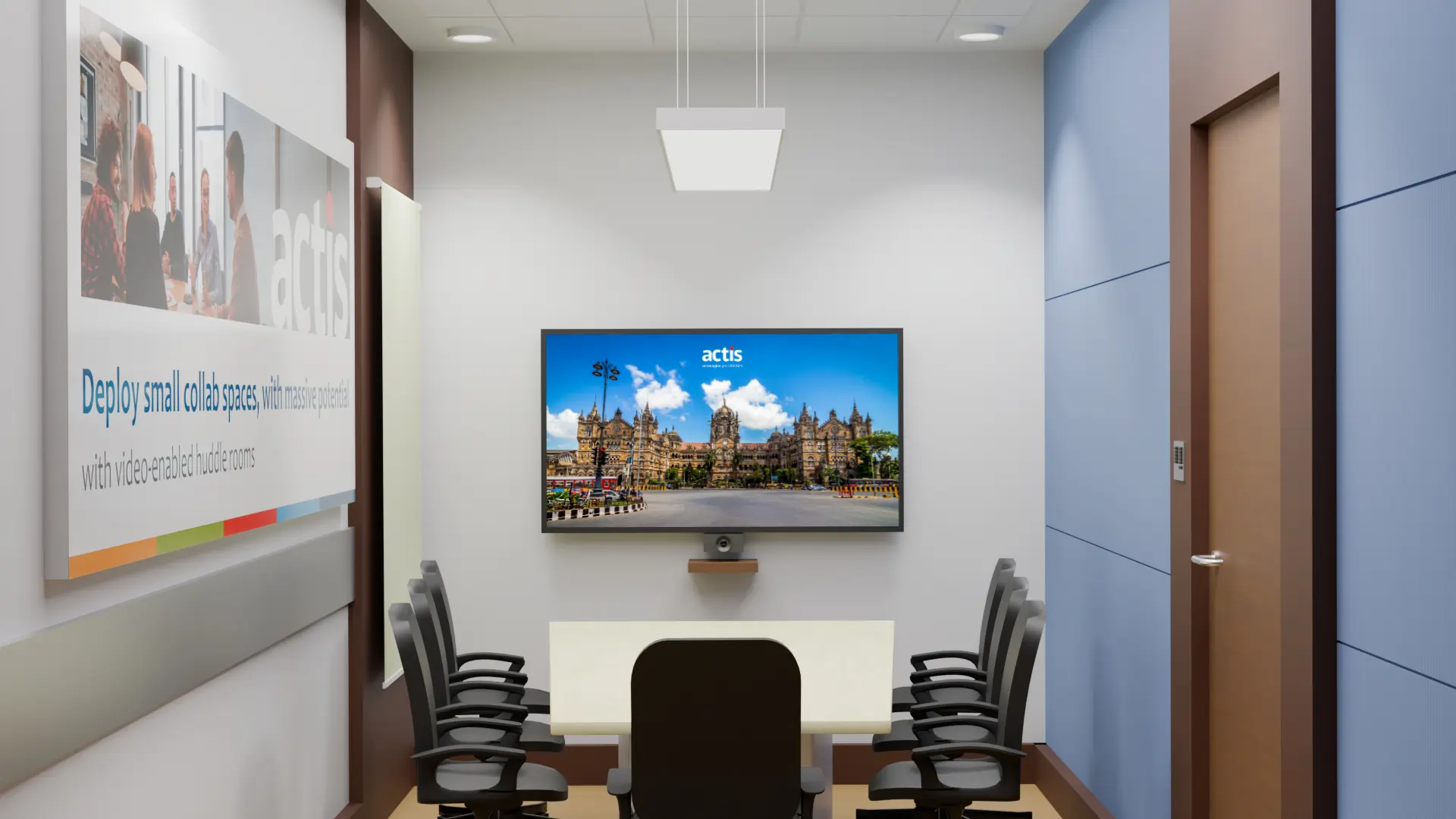
In training and collaboration spaces, tools like interactive displays and microphones need to be straightforward. People should be able to walk in and take part without setting anything up first. Remote participants should feel fully included, as if they were in the room.
Hybrid meeting spaces present extra challenges. Cameras, microphones, and software need careful placement. Sightlines and coverage matter. The goal is that remote attendees can follow the conversation naturally. No awkward gaps or people disappearing from view.
Auditoriums and event spaces demand attention to sound distribution and visibility. Even someone at the back should hear and see clearly. Acoustics can make or break these rooms. Poor planning leads to echo, muffled voices, or missed content.
Residential or hospitality spaces also benefit from AV architecture. Home theatres, digital signage, and ambient audio can be integrated in ways that preserve aesthetics. Equipment is only visible when it is being used. Otherwise, it blends into the décor, almost like it isn’t there.
Tips for Designing with Purpose
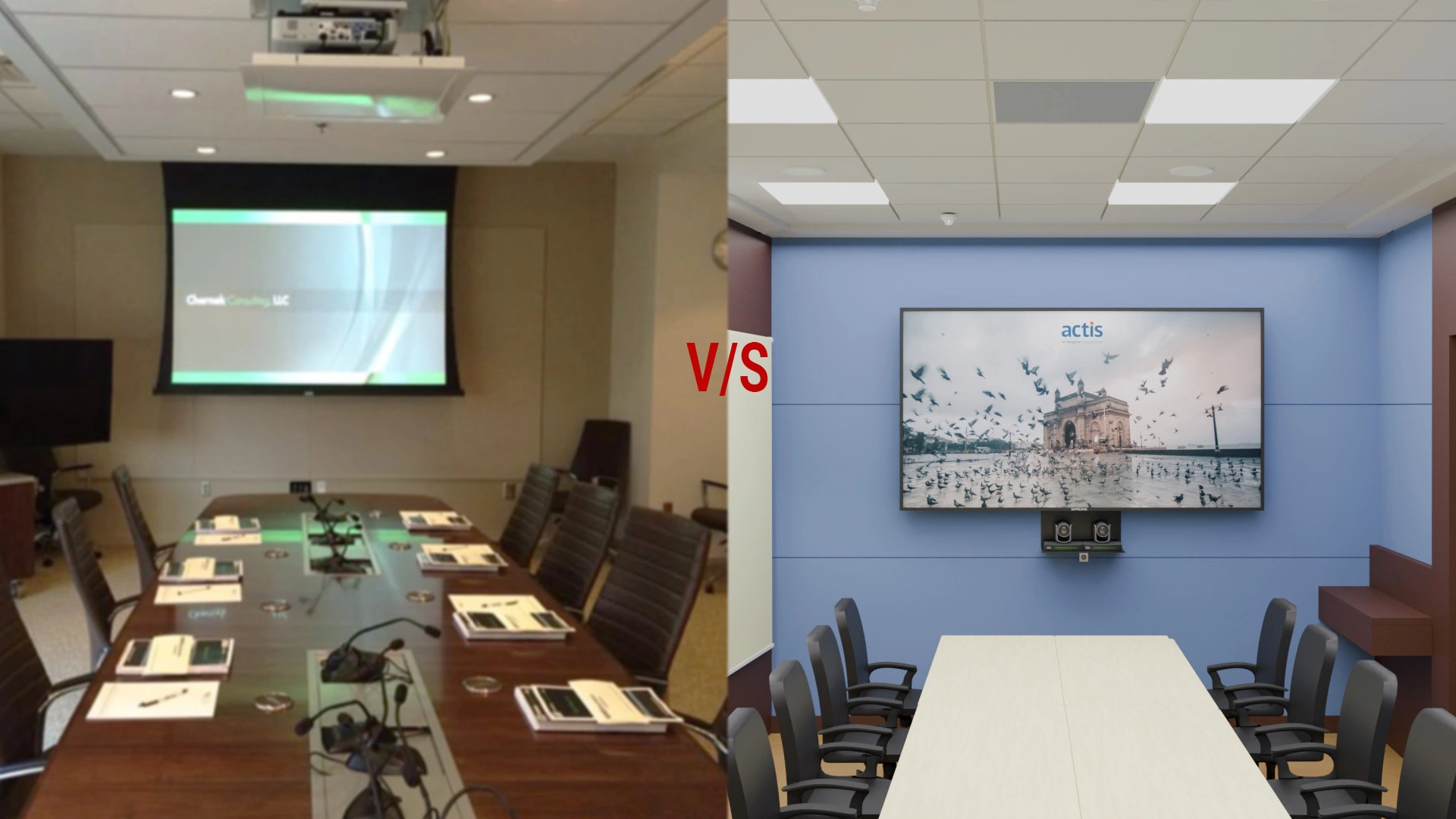
Think of this as guidance from someone who has spent decades designing AV spaces.
- Plan early. Place displays, projectors, microphones, and wiring in the blueprint stage. It saves headaches later.
- Consider sightlines and acoustics. Every participant should be included. Check corners, back rows, and remote participants.
- Design for flexibility. Spaces change over time. Rooms should evolve with teams without major reconstruction.
- Keep controls simple. Modular, intuitive systems allow quick adjustments. Most people can figure them out immediately, without instructions or hand-holding.
- Balance aesthetics and function. Hide cables and gear. The room should feel natural, effortless, and uncluttered.
Notice how these tips are about small, practical choices rather than complicated specs. They make a room feel alive, usable, and elegant.
Common AV Design Mistakes That Hurt Good Spaces
Even well-designed rooms can lose their edge when AV choices are made in a rush. These are the quiet mistakes that undo a lot of good work.
- Treating AV as an afterthought instead of part of the architectural plan
Screens, cameras, and cables get wedged in wherever there is space, not where they should be. The room ends up feeling cluttered and awkward.
- Choosing equipment without considering room acoustics
A room full of glass and hard surfaces will always sound harsh. Without acoustic planning, even good gear struggles.
- Overcomplicated control systems that users avoid
If people have to think about how to start a meeting, something is wrong. Most just give up and work around the system.
- Ignoring future scalability and hybrid use cases
Teams grow and meetings go hybrid. Systems that cannot expand start to feel old much sooner than they should.
How Spaces Evolve Over Time
A room designed with AV in mind is like a living system. It grows and adapts. Teams change. New technology arrives. Yet the room continues to support them.
Consistency matters more than flash. Meetings flow better. People hear and see everything. Remote attendees feel part of the discussion. Momentum builds. Work moves. Over months and years, these small improvements add up. The room stops being a tool and becomes a natural extension of the team.
Even as organisations expand, the benefits persist. A setup that works in a small room can scale to larger spaces. Familiarity carries across rooms. Teams move naturally from one space to another without friction.
Practical AV Considerations in Every Space
| Boardrooms | Everyone should be visible and audible. Screens should be easy to read. Microphones should reach every seat. Wires hidden. Minimal distraction. |
| Training rooms | Multiple presenters might need access to displays. Participants should be able to interact naturally. Cameras and microphones should cover all angles. |
| Hybrid meetings | Remote participants must feel included. Cameras, microphones, and software should be positioned so no one is left out. |
| Auditoriums | Sound and visibility are everything. Acoustic treatment ensures no echo. Even the back row should get the full experience. |
| Homes or hospitality | AV should blend into the décor. Displays, speakers, and lighting only appear when needed. Everything else stays out of sight.
|
Conclusion
AV architecture is not merely about equipment. What’s actually important is how people move, collaborate, and feel in a space. Thoughtful planning enhances aesthetics, usability, and efficiency. Early integration, intuitive controls, and flexible systems ensure rooms work today and adapt tomorrow.
When AV is designed with purpose, spaces stop demanding attention and start supporting people. The room feels effortless. Teams focus on what matters. Collaboration flows naturally. Spaces look beautiful and function perfectly. That is the real value of AV architecture.
FAQ’s
AV architecture hides cables, speakers, and other equipment so the space feels clean and uncluttered. Displays and devices blend into the room’s design, making the environment look professional and polished without calling attention to the technology itself.
Well-planned AV helps everyone see and hear clearly, whether they are in the room or remote. Interactive displays, microphones, and cameras ensure conversations flow naturally. Teams spend less time repeating themselves and more time focusing on decisions and ideas.
Strategic placement of speakers and microphones, combined with acoustic treatments, ensures sound reaches every corner. Echoes and dead zones are minimised. The result is clear, consistent audio for meetings, presentations, or events, so everyone is included.
Yes. While upfront planning costs time and resources, a well-designed system saves money in the long run. Rooms stay flexible, upgrades are easier, and the environment supports productivity. A space that works smoothly today will continue to serve your team for years.