



Today, modern hospitality AV systems use integrated audio, lighting, display, and collaboration technologies to create seamless guest experiences. Using Fairmont Mumbai as an example, the article explores how thoughtfully designed AV infrastructure can shape ambience, improve operational efficiency, support business collaboration, and blend invisibly into luxury interiors while enhancing the overall guest experience.
None of this happens by accident.
Behind that experience sits a carefully planned AV ecosystem. One that most guests will never notice directly, but would immediately miss if it were not there. Without it, their experience would lack something that they probably wouldn’t even be able to put a finger on.
The hospitality industry has always been ahead of the curve when it comes to prioritising customer experience and ambience. Of late, the industry has taken to a next level. These days, guests no longer see technology as an add-on. They expect it to be seamless, responsive, and invisible.
The changing role of AV in hospitality
Hotels used to think of AV in isolated parts of the property. A conference room here. A background music system there. Maybe a few televisions in guest rooms.
That approach does not hold up anymore.
Today, AV systems are expected to work as a unified layer across the entire property. From public spaces to private dining areas to business centres, everything needs to feel connected.
Guest expectations have changed. People are used to personalised digital experiences and want hotel spaces that respond without needing constant interaction.
Hospitality brands are also placing more emphasis on atmosphere. Sound, lighting, and visual elements all contribute to how a space feels.
Staff need systems that are reliable and easy to manage.
This is where well-designed AV solutions for hotels start to make a difference. They bridge the gap between guest experience and operational efficiency.
How AV technology is reshaping hotel experiences
It is easy to think of AV as just screens and speakers. In reality, it now influences almost every part of a hotel environment.
1. Smart, responsive spaces
Smart rooms are often the first thing people notice. Lighting, temperature, and entertainment systems that adjust with minimal input. In public areas, lighting and audio can change based on time of day or occupancy. A lobby in the morning feels different from the same space late in the evening. The transition happens gradually, without drawing attention.
Digital displays have moved on from being simple information boards. In many hotels now, they’re part of how guests find their way around. You’ll see interactive panels near elevators or lobbies where people quickly check directions or confirm where they need to be. No need to stop and ask for directions or double-check schedules at the front desk. You walk in, get what you need, and move on.
3. Conference and collaboration environments
If someone is using a meeting room in a hotel, they’re usually on a tight schedule. They don’t want to spend ten minutes figuring out how to connect a laptop or fix audio issues. The assumption is that everything should work the moment they step in. The systems behind it need to handle different devices, different platforms, and different room sizes without behaving unpredictably.
Music plays a significant role in shaping how a space feels. Too loud and it becomes intrusive. Too soft and it disappears. The wrong type of music can feel out of place, even if everything else is right. Modern systems allow for zoned control. Different areas can have different audio profiles, adjusted in real time. A lounge, a restaurant, and a pool deck can each maintain their own identity while still feeling part of the same property.
Fairmont Mumbai: A closer look at integrated AV
Fairmont Mumbai is a premium, design-led property. That creates a slightly different challenge.
It is not just about adding technology. It is about making sure that technology fits into spaces that already have a strong visual identity. Nothing can feel out of place or added later.
That was the starting point for the AV integration by the Actis team at Fairmont.
A system built around the spaces, not just the specs
Instead of treating each requirement separately, the approach was to build a connected system that could adapt to different environments.
The backbone of this was a networked audio infrastructure, allowing different zones to be controlled and tuned independently while still being part of a larger system.
This is where technologies like Dante quietly make a difference. Not something guests notice, but critical in ensuring that audio remains synchronised, stable, and easy to manage across the property.
Oryn and The Hedonist: two spaces, two completely different moods
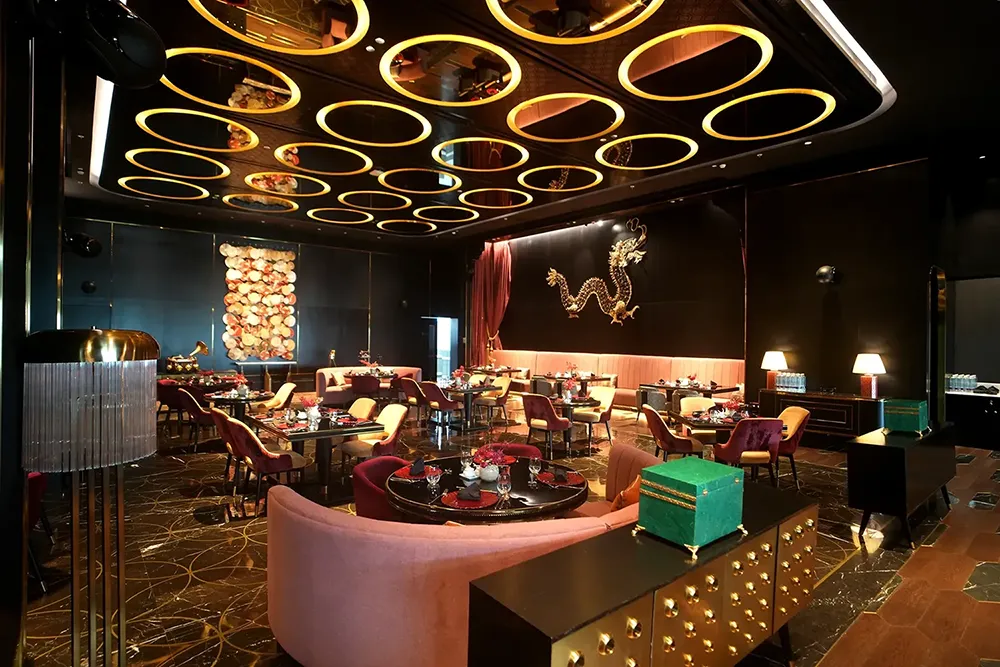
The difference becomes clear when you look at specific venues.
At Oryn, the sound stays in the background. You can sit across the table and talk without raising your voice, and nothing feels like it’s competing with the conversation.
At The Hedonist, it shifts as the evening picks up. Early on, it’s fairly relaxed. As the crowd builds, the music comes forward a bit more. You feel it in the room, but it never tips into being overwhelming.
Both spaces use Devialet systems, but they do not sound the same. The tuning, coverage, and intensity are all adjusted based on how each space is meant to feel.
Even the physical design of the speakers plays a role. They fit into the interiors rather than standing out, which is important in spaces where design is part of the experience.
The lobby and shared spaces: setting the tone
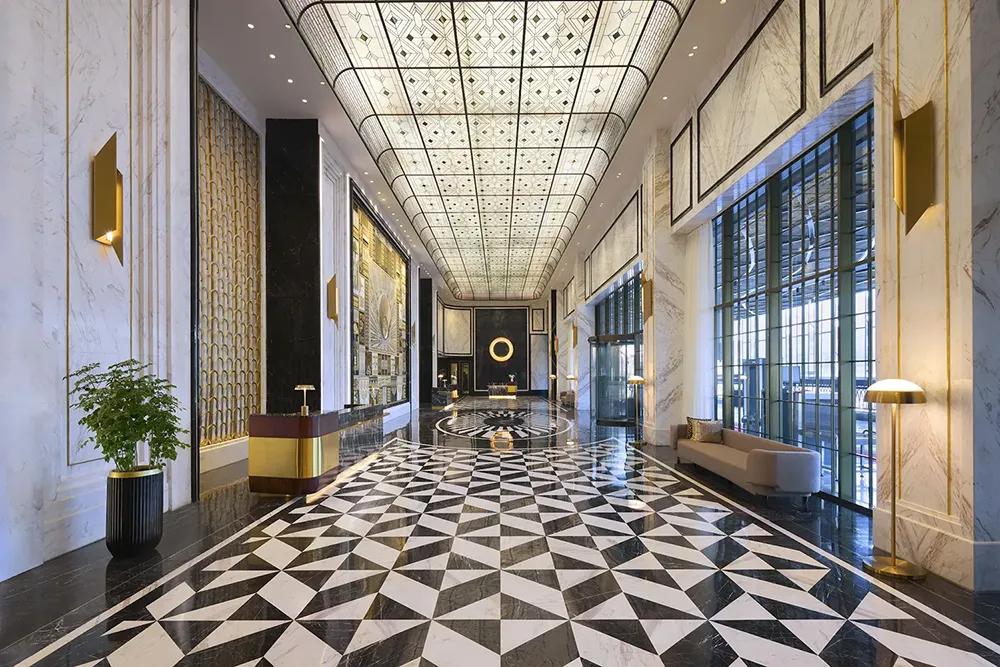
These are transitional spaces. Guests move through them rather than stay in one place. The audio needs to reflect that.
A Harman background music system was deployed to manage these zones. The emphasis here is not on high intensity, but on consistency and mood.
The music changes subtly depending on the time of day and the nature of the space. Morning feels different from evening. A lounge feels different from a walkway.
The goal is to create a sense of continuity without making the audio feel repetitive or mechanical.
Business spaces that simply work
For corporate guests, the priority is different.
Meeting rooms and business centres were equipped with video collaboration systems that focus on reliability. No complicated setup. No delays in getting started.
Guests can walk in, connect, and begin. The system handles the rest.
This may not be the most visible part of the installation, but it is often the most critical for business users.
Safety integrated into the experience
One of the more important layers sits behind everything else.
The AV system is linked to the property’s safety infrastructure. In the event of an emergency, background audio is automatically muted so that announcements can be clearly heard.
It is not something most guests will ever notice, but it is essential from both a compliance and safety perspective.
Technology that stays in the background
What stands out across the property is not the equipment itself, but how little you notice it.
Each space feels intentional. Audio behaves the way you expect it to, even if you are not actively paying attention to it.
That is usually a sign that the system has been designed correctly.
Not to impress on its own, but to support everything else happening around it.
Conclusion
In the end, the goal is simple.
Create spaces where technology supports the experience without becoming the focus. Where guests feel comfortable, engaged, and taken care of without thinking about what is enabling it.
That is what modern hospitality is moving towards. And AV, when done right, plays a central role in getting there.
Projects like this are useful because they show what happens when everything is considered together. If you want to explore the details of how this was implemented, you can read the full case study here.
FAQ’s
Because it shapes how guests experience the space without being obvious. From sound and lighting to communication systems, everything works together to create a seamless environment. When done right, it enhances comfort and consistency across the property.
Through zoned audio systems. Each area is treated independently, so a restaurant, bar, and lobby can all have different sound profiles. The system adjusts based on how each space is used rather than applying a single setting everywhere.
It allows multiple zones to stay connected while being controlled centrally. This makes it easier to maintain consistency and manage changes without manual intervention in each space. It also improves reliability across the entire property.
Yes, but it requires planning early in the project. Equipment needs to be selected and placed carefully so it blends into the architecture. When done properly, the technology supports the design instead of competing with it.